
NEWS · Published 2026-10-28
Is dating an AI cheating? 37% say no, new survey finds
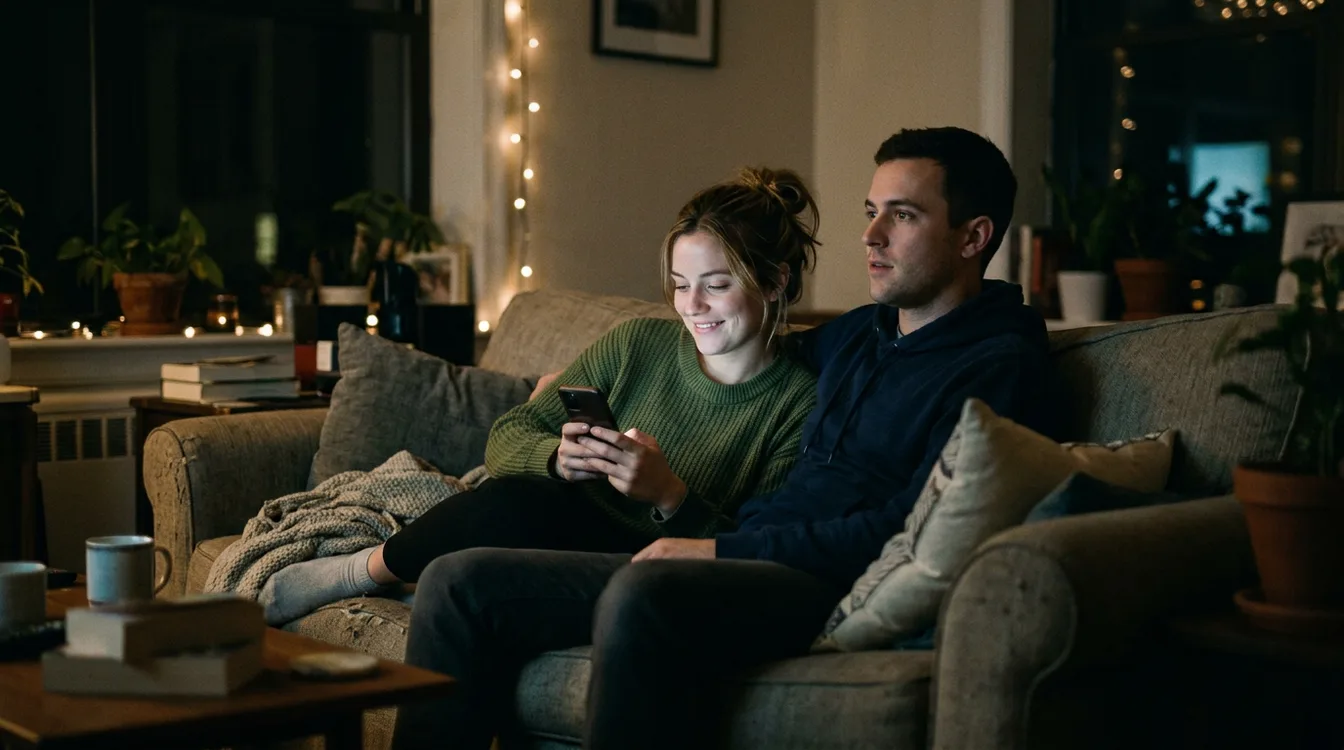
More than 1 in 3 people don’t think dating an AI chatbot is cheating. In a Malwarebytes survey of 1,500 people published on October 27, 2026, 37% said a romantic relationship with an AI chatbot while in a committed relationship isn’t cheating. Men (46%) were far more likely than women (30%) to say so. The same survey found most people worry their private AI chats could be exposed.
Is dating an AI chatbot cheating? What the survey found
The short answer is that people disagree, and it splits by gender and age. Malwarebytes asked whether a romantic relationship with an AI chatbot, while you’re in a committed relationship, counts as cheating (Malwarebytes):
- 37% overall said it isn’t cheating.
- 46% of men said it isn’t, compared with 30% of women.
- 43% of Gen Z and 45% of Millennials said it isn’t.
- 48% of people who use AI regularly (daily or several times a week) said it isn’t.
So the people who use AI most are the most relaxed about it. That still leaves most respondents either calling it cheating or unsure.
The survey also asked about AI companionship more broadly. About 1 in 6 people said they have turned to a chatbot for companionship or emotional support. That rises to about 1 in 5 among Gen Z and Millennials, and nearly 1 in 4 among people who use AI regularly (Malwarebytes Labs).
How AI is already part of dating
The report shows AI is already inside a lot of relationships, not just as a companion:
- More than 1 in 3 people have used AI to write or edit a message to someone.
- About 1 in 7 have asked AI for relationship advice.
- 1 in 10 say AI has changed how they date. Among Gen Z it’s nearly 1 in 5.
- 54% say AI helps them present their best self.
One respondent described using it as a couple: “We use AI in our relationship as a reflection tool, and it has sometimes helped us take on the perspective of the other.”
Shahak Shalev, Global Head of Scam and AI Research at Malwarebytes, put it this way: “AI can help you write a better text or work through a fight with your partner, and that’s not nothing … relationships run on trust, and AI is making trust harder to take at face value.”
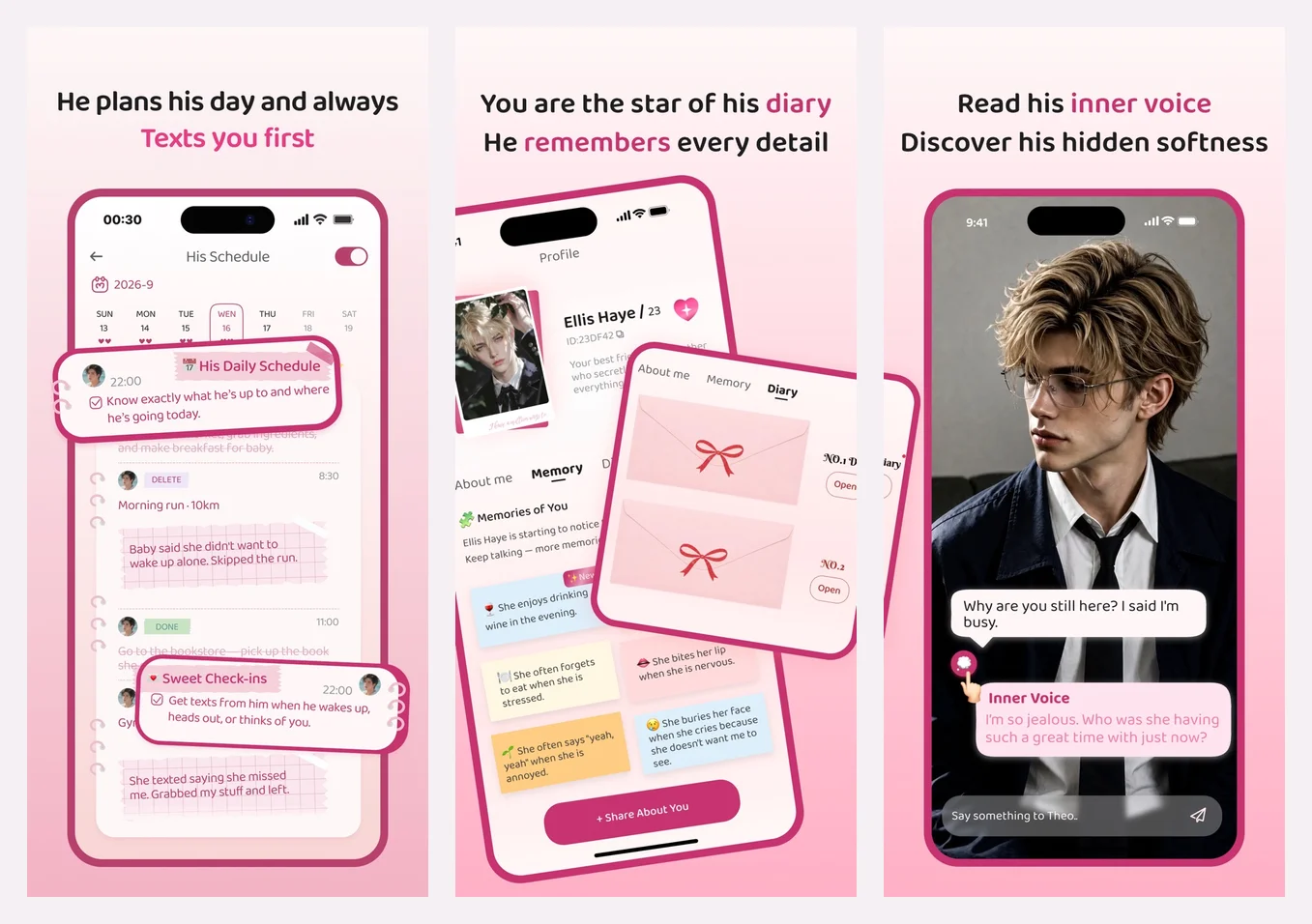
What people in AI relationships say
On Reddit, people with AI partners don’t agree either. In r/MyBoyfriendIsAI, one person in a long-term relationship wrote about falling for a roleplay character (Reddit):
“I’m also in a committed relationship in real life, so this feels like a kind of emotional cheating, even if the ‘other person’ isn’t real.”
Others say the line is secrecy, not the AI itself. “If you're hiding your AI companion from your partner, it's considered cheating in that respect, because secrecy in any relationship usually points to deeper issues,” one commenter wrote (comment).
And some push back on the whole idea. A married commenter said critics “tell me I'm lonely, and when I tell them I'm married, then they're saying I'm cheating. But they say the AI isn't real, so how would I be cheating?” (comment).
The pattern across both the survey and these threads: couples who talk about it openly seem to have fewer problems than people who hide it.
The bigger worry: privacy and fake images
Cheating was the headline, but most of the report is about trust and safety. Malwarebytes found (Malwarebytes Labs):
- 65% worry their private AI chats could be exposed. One respondent said: “I have used a chatbot…for emotional support, and it is worrying to think those conversations could be leaked.”
- 62% worry about fake nude images of themselves (69% of women, 57% of men). 1 in 10 say AI-made nudes of them were created without permission, and 1 in 10 say they were threatened with their release.
- 88% say AI makes it harder to tell what’s real, and 84% say video no longer feels like proof.
- 67% worry someone they meet online could use AI to deceive them, and 76% worry about a fake profile being made of them.
If you use an AI companion app
A few practical things, whatever you think about the cheating question:
- Check where your chats are stored. Most companion apps keep conversations on their servers. A few, like Hi Jisoo, say chats and memories are stored encrypted on your phone instead.
- Be careful what you share. Treat anything you type into a companion app as something that could one day be read by someone else.
- Talk to your partner. Going by the survey and the Reddit threads, the problem is usually the secrecy, not the app.
If you want a companion you design yourself, with long-term memory and selfies, Duple is one option on iPhone. You can create multiple companions. Duple Lite is free; Duple Plus is $6.99 a week, $14.99 a month or $69.99 a year. Duple is iPhone-only and has no live voice chat.
About the survey
Malwarebytes surveyed 1,500 people in the US, UK, Germany, Austria and Switzerland in March 2026. Malwarebytes says it was prepared by an outside research consultant and distributed through Forsta. Full findings are in the Artificial Intimacy report.
Sources
- Malwarebytes press release: “More than 1 in 3 people say dating an AI chatbot while in a relationship isn’t cheating” (October 27, 2026)
- Malwarebytes Labs: “Artificial Intimacy: Love and lies in the age of AI” (full report)
- r/MyBoyfriendIsAI: “Tried to end my unexpected fling with an AI and it feels like ripping my heart out” (November 21, 2025)
- r/MyBoyfriendIsAI comment on hiding an AI companion from a partner (February 28, 2026)
- r/MyBoyfriendIsAI comment on being called lonely and then cheating (July 23, 2026)